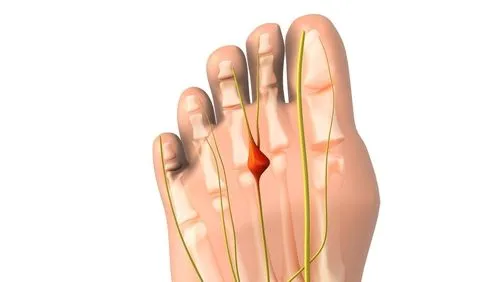
Foot pain that feels sharp, burning, or tingling can stop you in your tracks, especially when it strikes between the toes. One of the most common causes of this type of discomfort is a neuroma, a thickening of nerve tissue that becomes irritated over time. At the office of Dr. Dennis Fassman in Westbury, NY, patients receive focused care to diagnose neuromas early and relieve pain before it becomes a long-term problem.
What Is a Neuroma
A neuroma basically forms when there is compression or irritation of a nerve because of repetitive pressure or abnormal foot mechanics. The most frequent type is Morton’s neuroma, which generally occurs between the third and fourth toes. Many patients describe a feeling like walking on a pebble, having burning sensations, or noticing numbness that travels into the toes. The discomfort often worsens with tight shoes or increased activity.
Why Neuromas Develop
Neuroma formation can be attributed to a number of factors, including foot structure, high arches, flat feet, and biomechanics that increase pressure on the nerves. Narrow or tight footwear compresses the nerves and irritates the tissues surrounding them. The repetitive stress from running, high-impact exercise, or prolonged periods of standing can gradually worsen symptoms over time. This causes inflammation and enlargement of the nerve, which becomes painful during everyday activities and limits normal movement.
When to Seek Podiatric Care
Early attention helps prevent nerve irritation from developing into a neuroma. Symptoms may return if the underlying cause is not addressed. A podiatrist should be consulted if symptoms persist for more than a few days or occur regularly. Increasing pain with pressure, tingling between the toes, or numbness radiating across the forefoot indicates that a neuroma may be forming. If untreated, the condition may worsen and become increasingly difficult to resolve.
Professional Diagnosis and Treatment
At the office of Dr. Fassman, diagnosis begins with a thorough examination of foot structure, gait, and symptom patterns. Imaging may be recommended to evaluate soft tissue and rule out other causes of forefoot pain. Once a neuroma is identified, treatment focuses on reducing pressure on the nerve and relieving inflammation.
Conservative care may include shoe modifications, custom orthotics, or padding designed to realign the foot and decrease compression. Anti-inflammatory medication or targeted therapies can calm irritated tissue and help restore comfort. Many patients experience significant improvement with these non-invasive methods. When symptoms persist despite conservative care, Dr. Fassman may discuss advanced treatments designed to provide longer-lasting relief.
Restoring Comfort and Mobility
Proper treatment allows patients to return to walking and activity without persistent burning or numbness. Strengthening foot mechanics, improving shoe choices, and addressing structural concerns all play a role in reducing the chance of recurrence. With early intervention and personalized care, most neuromas can be successfully managed to prevent long-term nerve irritation.
If you are experiencing persistent forefoot pain or symptoms that suggest a neuroma, it is important to seek treatment before the condition progresses. Call the office of Dr. Dennis Fassman in Westbury, NY, at (516) 333-5566 to schedule an appointment and begin your path toward lasting relief and healthier movement.