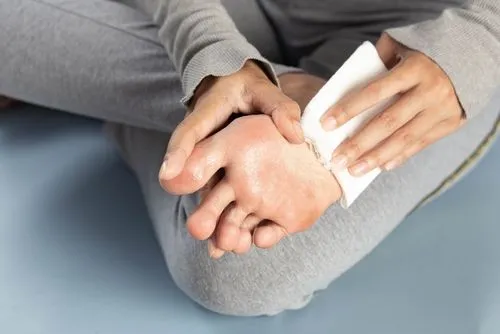
Excessive foot sweating, also known as plantar hyperhidrosis, can be both uncomfortable and embarrassing. While sweating is a normal bodily function that helps regulate temperature, some individuals experience perspiration that goes beyond what is necessary for cooling. Persistent moisture in the feet can lead to odor, skin irritation, and even infections if left untreated. Dennis Fassman, DPM in Westbury, NY, provides comprehensive evaluation and treatment options to help patients manage excessive foot sweating effectively.
Why Do Feet Sweat Excessively?
The feet contain thousands of sweat glands, making them particularly prone to perspiration. In some individuals, these glands become overactive without a clear trigger. This condition may be related to genetics, stress, hormonal changes, or certain medical conditions. For others, excessive sweating can occur as a response to anxiety or emotional stress.
Secondary hyperhidrosis may be linked to underlying health concerns such as thyroid disorders, diabetes, or infections. Identifying whether sweating is primary or secondary is an important step in determining the most appropriate treatment plan.
Potential Complications
When moisture remains trapped inside shoes and socks, it creates an ideal environment for bacteria and fungi to grow. This can result in unpleasant foot odor, athlete’s foot, or fungal nail infections. Over time, constant dampness may also lead to skin breakdown, blisters, and discomfort during walking.
In addition to physical symptoms, excessive foot sweating can impact confidence and daily activities. Patients may avoid social situations or feel self-conscious about removing their shoes in public settings. Addressing the condition not only improves foot health but also enhances overall quality of life.
Treatment and Management Strategies
Effective treatment begins with a thorough evaluation by a podiatrist. Management options may include prescription-strength antiperspirants designed specifically for the feet, oral medications in certain cases, or advanced therapies such as iontophoresis. Maintaining good foot hygiene, wearing moisture-wicking socks, and choosing breathable footwear also play a role in reducing symptoms.
For patients experiencing recurrent infections due to excessive sweating, targeted antifungal or antibacterial treatments may be recommended. Individualized care ensures that the underlying cause is addressed while minimizing discomfort and recurrence.
Personalized Treatment
Dennis Fassman, DPM in Westbury, NY, at (516) 333-5566, offers personalized treatment plans for patients struggling with excessive foot sweating. If persistent moisture, odor, or skin irritation is affecting your comfort or confidence, professional care can make a meaningful difference. Call today to schedule an appointment and take the first step toward healthier, drier feet.